

Wealth Habits That Matter More Than Income: The Daily Systems That Build Net Worth Over Time
Income can help you move forward financially, but it’s your daily habits that really matter. They decide if your money grows and compounds over time.
Two people with the same salary can have very different financial lives. It all depends on their systems. David Bach has helped over 7 million people achieve financial stability with simple, consistent habits.

By focusing on the right daily habits, you can take charge of your finances. This guide will show you the key habits for financial success.
Key Takeaways
- Daily habits are more important than income in building net worth.
- Consistent practices like automation and tracking can significantly impact financial stability.
- Simple changes to daily habits can lead to long-term financial success.
- Building financial stability is achievable with the right systems in place.
- Focusing on daily habits can help you take control of your financial life.
Why Habits Matter More Than Your Paycheck
A bigger paycheck can help, but your financial habits are key to your net worth. Your income is just one part of building wealth. The habits you build every day are much more important for your financial future.
The Math Behind Wealth Building
Think about this: saving $27 a day can add up to over $9,855 a year. This simple habit can greatly impact your wealth over time. The secret is being consistent and understanding the math of your savings.
| Daily Savings | Annual Savings | 5-Year Total |
|---|---|---|
| $27 | $9,855 | $49,275 |
| $50 | $18,250 | $91,250 |
| $100 | $36,500 | $182,500 |
How Systems Outperform Willpower
Trying to manage your finances with willpower alone is tough. Instead, create systems that automate your savings and investments. This leads to consistent and sustainable wealth building. By automating your investing and setting up a pay yourself first system, you make progress towards your financial goals without needing constant motivation.
As the saying goes, “Discipline is freedom.” By building the right habits and systems, you can achieve financial freedom and secure your financial future.

Foundational Wealth Habits for Financial Security
Financial security comes from daily habits, not just your income. By adding the right financial habits to your daily life, you can secure a stable financial future.
Pay-Yourself-First Automation
Automating your savings is a key financial habit. Set up automatic transfers from your checking to savings or investments. This way, you pay yourself first before spending on other things.
David Bach’s “The Latte Factor” shows how small savings add up. Saving $5 a day can grow to over $1,800 a year. This can be invested for long-term growth.

Emergency Fund Building System
Having an emergency fund is essential for financial security. It’s a safety net for unexpected events like job loss or medical emergencies. Aim to save three to six months’ living expenses.
To build this fund, create a separate savings account. Automate monthly transfers into it. Start small and increase the amount over time.
High-Interest Debt Elimination Strategy
Getting rid of high-interest debt is key to financial security. High-interest debt, like credit card balances, can quickly add up. To tackle this, pay off high-interest debts first while making minimum payments on others.
Consider consolidating debts into a lower-interest loan or balance transfer credit card. This simplifies payments and lowers interest costs. By eliminating high-interest debt, you can save more for the future.
Creating Your Financial Command Center
A well-organized financial command center is key to making smart financial choices. It’s where you watch your financial health, track your progress, and make changes when needed.
The One Dashboard You Need
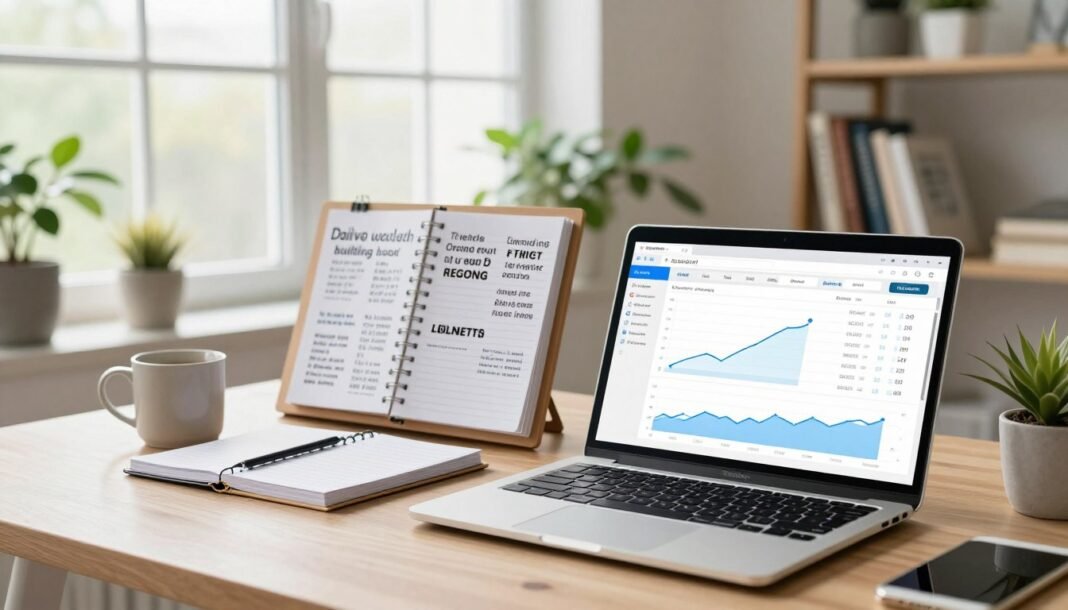
Having one dashboard is vital for managing your finances well. Use a personal finance dashboard to bring all your financial info together. You can make one with a spreadsheet or a financial app, tailored to your needs.
Monthly Money Review Ritual
It’s important to have a monthly money review ritual. Set time each month to look over your financial statements, track spending, and update your dashboard. This habit helps you spot areas to improve and make timely changes.
Key Metrics to Track
Track your net worth, income, expenses, and savings rate. Use a net worth spreadsheet to see how you’re doing over time. Regularly checking these metrics helps you make smart financial decisions.

Fixed Cost Control Systems
Controlling fixed costs is a key way to boost your finances. These costs, like rent and utilities, stay the same each month. If not managed, they can eat into your income. By using effective control systems, you can save more money for the future.

The Housing and Transportation Cap
Housing and transportation costs are big for most people. To keep these costs down, set a cap on how much you spend. It’s wise to spend no more than 30% of your income on housing and 15% on transportation.
To lower housing costs, look for cheaper places or negotiate better rates. For transportation, choose a fuel-efficient car, carpool, or use public transport.
Subscription Audit Protocol
Subscriptions can quickly add up. To manage these costs, do a regular audit of your subscriptions. Make a list of all your recurring payments, like streaming services and gym memberships.
- Check if you’re really using each subscription.
- Cancel any you don’t need or use.
- Try to get better rates for services you keep.
- Look into bundling services for savings.
By regularly checking your subscriptions, you can cut unnecessary costs. This money can then go towards your financial goals.
Negotiating Recurring Bills
Many people can get better rates on bills like cable and insurance. Take the time to call your providers and ask for discounts.
When negotiating, remember to:
- Be polite and keep asking.
- Mention any offers from competitors.
- Ask for a supervisor if needed.
Negotiating your bills can save you hundreds each year. This money can then be used for saving and investing.
Smart Investing Habits That Compound Wealth
Investing wisely is more than picking the right stocks. It’s about building habits that grow your wealth over time. By sticking to long-term strategies, you can increase your returns and reach your financial goals.
Dollar-Cost Averaging Automation
Dollar-cost averaging means investing a set amount regularly, no matter the market. It reduces the impact of market ups and downs. This makes it easier to keep investing for the long haul. Automating this process keeps your strategy consistent and disciplined.
For example, investing $500 each month can steadily build your wealth. As Warren Buffett said, “Price is what you pay. Value is what you get.” Automating your investments helps you focus on the long-term value, not short-term prices.
Low-Fee Fund Selection System
Fees can cut into your returns. Choosing funds with low expense ratios is key. This means picking index funds or ETFs over actively managed ones. Lower fees mean more money grows over time.
- Look for funds with expense ratios below 0.10%.
- Consider the fund’s tracking error and tax efficiency.
- Avoid funds with high turnover rates.
Annual Contribution Step-Ups
Increasing your investment contributions each year can greatly increase your wealth. Use a part of your salary increases or bonuses for investments. Even small increases can add up over time.
| Year | Annual Contribution | Total Contributions | Assumed 5% Return |
|---|---|---|---|
| 1 | $5,000 | $5,000 | $5,250 |
| 2 | $5,500 | $10,500 | $11,025 |
| 3 | $6,050 | $16,550 | $17,378 |
Staying Invested During Market Volatility
Market ups and downs are normal, but how you react matters. Staying in during downturns is key for long-term success. Markets have always bounced back, and staying in allows you to profit from these recoveries.
“The stock market is filled with individuals who know the price of everything, but the value of nothing.” –
Keep a long-term view and avoid making emotional decisions based on short-term market changes. This ensures your investments keep growing over time.

Anti-Lifestyle Inflation Systems
Lifestyle inflation can quietly ruin your financial goals. But, using anti-lifestyle inflation systems can keep you on track. As your income rises, it’s tempting to spend more on luxuries and comforts. Yet, this can slow down your wealth-building.
Separating Spending From Identity
One smart move is to separate your spending from who you are. This means not letting what you buy define your self-worth. By doing this, you can make choices that fit your financial goals, not just your ego.
The 24-Hour Purchase Rule
Try a 24-hour wait for non-essential buys to cut down on spending. This rule lets you decide if you really need something or just want it.
Windfall Allocation Formula
For windfalls like bonuses or tax refunds, use a set formula. Allocate 50% to debt or savings, 30% to investments, and 20% for fun or rewards.
| Windfall Allocation | Percentage | Purpose |
|---|---|---|
| Savings/Debt | 50% | Build wealth, reduce debt |
| Investments | 30% | Grow your wealth over time |
| Discretionary | 20% | Enjoy your windfall responsibly |

With these anti-lifestyle inflation systems, your growing income can build lasting wealth, not just a pricier lifestyle.
Planning for Irregular Expenses
Good financial planning is more than saving for the future. It also means planning for unexpected expenses. These costs can change your financial situation if not planned for.
Sinking Funds: What They Are and How to Use Them
A sinking fund is a special savings spot in your budget for unexpected costs. It helps you deal with expenses like car upkeep, property taxes, or holiday bills. By saving a bit each month, you won’t be caught off guard by these costs.

Categories to Consider
To use sinking funds well, know where your irregular expenses come from. Some common areas include:
- Annual subscriptions or memberships
- Car maintenance and repairs
- Home maintenance and repairs
- Medical expenses
- Holiday expenses
Automating Your Sinking Funds
To make sinking funds work, automate your savings. Set up automatic transfers from your checking to your sinking fund accounts. This way, you save regularly without having to remember.
By using sinking funds, you can handle unexpected expenses better. This keeps your finances stable.
Tax Optimization Habits
Optimizing your tax strategy is key to growing your net worth. Good tax habits can lower your tax bill and keep more money in your pocket. By using the right systems and strategies, you can make the most of tax savings.
Set-Aside Systems for Self-Employed
If you work for yourself, setting aside money for taxes is a must. Try a quarterly taxes habit to avoid penalties. Set up a special savings account for taxes and move money into it every quarter.
Receipt and Documentation Organization
Keeping accurate records is essential for tax optimization. Use a receipts organization system to track your business expenses. A digital tool or app can make this easier and prevent lost receipts.
Strategic Contribution Timing
Timing your contributions to tax-advantaged accounts wisely can cut your tax bill. Consider putting money into a traditional IRA or 401(k) to lower your taxable income. Plan your contributions well to save on taxes and boost your retirement savings.
Income and Energy Wealth Habits
To build lasting wealth, it’s key to develop habits that boost both your income and energy. Your financial success isn’t just about how much you earn. It’s also about how well you manage your resources and keep the energy to chase your financial dreams.
Building High-Value Skills
Investing in your skills is vital for boosting your income. Focus on getting high-income skills that employers want. This might mean learning new programming languages, improving your marketing skills, or becoming an expert in data analysis. The goal is to find areas where your skills can really up your earning game.
Health Protection Systems
Your health and wealth are closely linked. Keeping your health in check is key to having the energy to work towards your financial goals. Set up health protection systems like regular exercise, a balanced diet, and enough sleep. These habits not only boost your health but also save you money on healthcare costs over time.
Energy Management for Productivity
Good energy management is essential for staying productive. Learn to prioritize tasks, take breaks, and manage stress to keep your energy up all day. Using the Pomodoro Technique can help you stay focused and avoid burnout.
| Habit | Benefit | Implementation Tip |
|---|---|---|
| Building High-Value Skills | Increased Income | Identify in-demand skills and invest in relevant courses |
| Health Protection Systems | Reduced Healthcare Costs, Improved Well-being | Establish a routine that includes exercise, healthy eating, and adequate sleep |
| Energy Management for Productivity | Enhanced Productivity, Reduced Burnout | Use productivity techniques like the Pomodoro Technique and prioritize tasks effectively |
Your One-Page Money Plan
To get financial clarity, you need a simple one-page money plan. This plan is like a roadmap for your money choices. It keeps you on track with your goals.
Setting Clear Financial Goals
First, set your financial goals. What do you want to achieve? Maybe you’re saving for a house, planning for retirement, or paying off debt? Clear financial goals guide your efforts and resources.
Creating Personal Money Rules
It’s important to make personal money rules. These rules help you stay disciplined with your money. For example, you might save a set percentage of your income each month or limit your spending.
Asset Allocation Strategy
Having a good asset allocation strategy is key. It helps manage risk and increase your investment returns. This means spreading your investments across different types, like stocks, bonds, and real estate, based on your risk level and goals.
With these parts in your one-page money plan, you’ll make better financial choices. You’ll be on your way to reaching your long-term goals.
30-Day Wealth Habits Implementation Plan
A 30-day plan can help you build wealth habits for long-term success. This structured program guides you in building a stronger financial foundation, one week at a time.
Week 1: Foundation Setting
Start by setting clear financial goals and checking your current financial situation. Make a budget that covers all your income and expenses. Track your spending to find ways to save money.
Week 2: Automation Implementation
Automate your finances by setting up automatic transfers for savings, investments, and bills. This 30-day money reset will help you save regularly and avoid overspending.
Week 3: Investment Setup
Make an investment policy statement (IPS) that outlines your investment goals and strategies. Start setting up your investment accounts and invest based on your IPS.
Week 4: Maintenance Systems
Set up a routine to regularly check and maintain your financial systems. Have monthly check-ins to track your progress, adjust your budget, and stay on track with your financial goals.
Your Wealth Habit Scoreboard
Create a scoreboard to track your progress in the 30-day plan. Monitor your wealth habits implementation and adjust your strategies as needed. Celebrate your successes and find areas for improvement to stay motivated.
Conclusion: Consistency Beats Income Every Time
Building wealth isn’t just about how much you earn. It’s about the daily habits you cultivate. Consistency is key to achieving your financial goals. By developing a consistency habit, you’ll be more likely to stick to your financial routines and make progress towards your objectives.
The power of compounding habit can’t be overstated. As you continue to invest and save, your wealth will grow exponentially over time. But, this requires patience and discipline to stay the course, even when markets fluctuate or unexpected expenses arise.
By implementing the wealth systems outlined in this article, you’ll be well on your way to achieving financial security. Remember, it’s not just about making money. It’s about creating a sustainable financial foundation that will serve you for years to come.
Stay committed to your financial journey, and you’ll be surprised at the progress you can make. Focus on developing the habits and systems that drive long-term success. You’ll be on your way to building lasting wealth.