

Cash Allocation Strategy: How Much Cash to Hold (and Why It Matters More Than You Think)
You’ve probably heard that keeping cash is a bad idea. But what if the market gets really shaky? Having a solid cash management strategy is key for keeping your finances stable and your investments growing.

It’s not just about trying to predict the market. It’s about creating a stable base, being flexible, and ready to seize opportunities when they come. Your financial goals, how long you can wait for returns, your spending needs, and how much risk you can handle all affect how much cash you should keep.
Key Takeaways
- Cash is a vital part of your portfolio, not “dead money.”
- A well-planned cash allocation strategy ensures financial stability.
- Financial goals, time horizon, and risk tolerance influence cash allocation decisions.
- A smart cash allocation strategy allows you to act on opportunities during market volatility.
- Understanding your spending needs is key for figuring out the right cash allocation.
Rethinking Cash: A Strategic Asset, Not “Dead Money”
Cash is more than a safe place to keep money. It’s a strategic tool that can greatly impact your investment strategy. In today’s unpredictable markets, knowing how cash fits into your portfolio is key to keeping it balanced.

The Strategic Value of Cash in Your Portfolio
Cash gives you liquidity, letting you jump on investment chances as they come up. The Vanguard Capital Markets Model shows that cash can reduce risk when markets drop. For example, during the 2008 crisis, those with cash could buy assets at low prices.
Common Misconceptions About Holding Cash
Many see cash as “dead money” that doesn’t earn returns. But, this misses the opportunity cost of being fully invested when markets fall. Cash lets you avoid selling too quickly and helps you weather market ups and downs. A recent guide on cash allocation highlights its importance in a solid investment plan.
The Balance Between Liquidity and Growth
Finding the right mix of liquidity and growth is essential for a good investment strategy. Too much cash can slow down your portfolio’s growth, known as cash drag investing. But, not enough cash can limit your ability to seize market chances or handle unexpected costs.
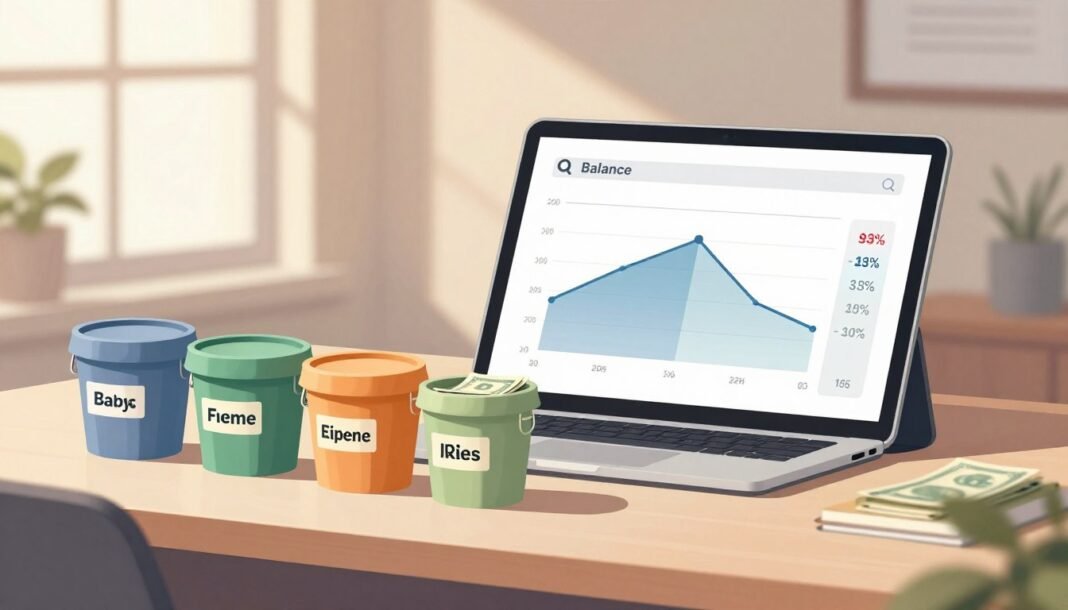
To find the perfect balance, split your cash into four parts: emergency fund, upcoming expenses, opportunity cash, and a buffer for volatility. This method of portfolio liquidity planning helps you manage through tough market times while aiming for growth.
The Four Buckets of a Complete Cash Allocation Strategy
To be financially strong, knowing the four cash buckets is key. A good strategy splits your cash into four parts. Each part has its own role and meets different financial needs.
Bucket 1: Emergency Fund – Your Financial Safety Net
Your emergency fund is the base of your strategy. It’s a safety net for 3-6 months of living costs. This could be for job loss, medical issues, or big repairs. It’s important to keep this money easy to access.
Bucket 2: Upcoming Expenses (0-24 Months)
This bucket is for expenses you know are coming in the next 24 months. This could be for a car, wedding, or home renovation. Having cash for these helps you avoid debt or selling investments too soon.

Bucket 3: Opportunity Cash (“Dry Powder”)
Opportunity cash is for smart investments, like when the market drops. Having this cash lets you invest wisely without selling at bad times.
“The key to successful investing is to have ‘dry powder’ to take advantage of market downturns.”
Bucket 4: Volatility Buffer for Peace of Mind
The volatility buffer helps you stay calm during market ups and downs. It’s a cash reserve that stops you from making rash decisions. This way, you keep your focus on your long-term goals.
| Bucket | Purpose | Time Horizon |
|---|---|---|
| Emergency Fund | Financial Safety Net | Immediate |
| Upcoming Expenses | Known Future Expenses | 0-24 Months |
| Opportunity Cash | Strategic Investments | Variable |
| Volatility Buffer | Emotional Resilience | Variable |
By using these four buckets, you can make a solid cash strategy. It balances keeping you safe with the chance for growth.
How Much Cash Should You Hold? Personalized Ranges
The right amount of cash to hold depends on your risk tolerance and life stage. A good cash allocation strategy helps manage risk and find investment opportunities.
By Investor Risk Profile
Your risk tolerance is key in setting your cash allocation. Those who take more risk might hold less cash. On the other hand, more cautious investors might choose to hold more.
Conservative Investors (Higher Cash Allocation)
Conservative investors focus on keeping their money safe. They often hold 20% to 30% of their portfolio in cash.
Balanced Investors (Moderate Cash Allocation)
Balanced investors aim for a balance between risk and return. They usually hold 10% to 20% of their portfolio in cash.
Aggressive Investors (Lower Cash Allocation)
Aggressive investors seek high returns and are willing to take more risk. They might hold only 5% to 10% of their portfolio in cash. For more on aggressive investing, check out Cashflow Capitalist.
By Life Stage and Circumstances
Your life stage and personal situation also affect your cash allocation. Different stages of life require different cash holdings.
Stable vs. Variable Income
Those with stable incomes might need less cash. But, people with variable incomes, like freelancers, might need more.
Homeowners vs. Renters
Homeowners face extra costs like mortgage payments and property taxes. Renters might have more flexibility with their cash.
Near-Retirement vs. Early Accumulation Phase
Near retirees often choose to hold more cash for security. Early accumulators can take more risk and hold less cash for growth.

Consider your risk profile and life stage to find the right cash allocation. Adjust your cash allocation regularly to match your changing financial needs.
Emergency Fund Sizing: Beyond the “3-6 Months” Rule
Your emergency fund should fit your unique situation, not just follow the “3-6 months” rule. This rule suggests saving for three to six months of living costs. But, it doesn’t consider personal factors that can change your financial needs.
Calculating Your True Monthly Expenses
To figure out the right size for your emergency fund, start by adding up your monthly costs. This includes more than just rent, utilities, and food. Think about all regular bills, like:
- Transportation costs (car payment, insurance, gas, maintenance)
- Insurance premiums (health, life, disability)
- Minimum debt payments (credit cards, loans)
- Subscriptions and memberships
- Minimum living expenses for dependents
Be realistic about your expenses. Include any yearly or semi-yearly costs, like car insurance or property taxes.
Adjusting for Income Stability and Job Market
Your job stability and the job market in your field should also guide your emergency fund size. If your job is unstable or your income varies, you might need more savings.
“The key is to have enough liquidity to weather financial storms without using high-interest debt or touching your long-term investments.”
Think about the job market and your job security when setting your emergency fund. In uncertain times, a bigger fund can offer peace of mind and financial safety.
Special Considerations for Self-Employed and Gig Workers
For those who are self-employed or work gigs, figuring out an emergency fund is trickier because of the variable income. It’s important to:
- Average your income over several years to find a baseline.
- Keep in mind the seasonality of your work, if it applies.
- Include business costs that are key to keeping your income stream.
For gig workers, this might mean having a buffer for times between jobs or when a big client is lost.

By considering these factors, you can make an emergency fund that really protects you from financial shocks.
Planning for Upcoming Expenses: The 24-Month Cash Calendar
Planning for future expenses is key to a solid cash strategy. It helps you meet financial needs without hurting your investments.
Mapping Out Known Future Expenses
Start by listing known expenses for the next 24 months. This includes:
- Annual insurance premiums
- Property taxes
- Major purchases or replacements
- Planned home improvements
Knowing these expenses lets you save ahead and avoid financial stress later.
Creating Sinking Funds for Irregular Expenses
A sinking fund is a special savings for future costs. To set one up:
- Find out the expense and when it’s due
- Figure out how much you’ll need
- Split the total by the months until it’s due
- Save that amount each month
For example, if you need $1,200 for insurance in 12 months, save $100 monthly.

Balancing Short-Term Goals with Long-Term Investments
When planning for expenses, balance short-term needs with long-term investments. Use this table to guide your allocation:
| Time Horizon | Expense Type | Recommended Allocation |
|---|---|---|
| 0-12 months | Short-term expenses | High liquidity accounts (e.g., savings, money market) |
| 1-2 years | Medium-term goals | Short-term bonds or CDs |
| 2+ years | Long-term investments | Stocks, mutual funds, or ETFs |
This structured plan helps meet both your immediate and long-term financial needs.
Opportunity Cash: Building Your “Dry Powder” Reserve
Opportunity cash, or ‘dry powder,’ is key for smart investing. It’s the cash you save to grab good deals, mainly when the market is down. This way, you can quickly take advantage of chances.
Setting Aside Cash for Market Downturns
When the market falls, it’s a great time to buy. But you need to be ready. Saving cash lets you invest when others have to sell. It takes discipline and knowing what you want to achieve.
Warren Buffett once said, “You can’t make a good deal with a bad person, but you can make a bad deal with a good person.” Dry powder helps you make deals when the market isn’t good for everyone.
“The biggest risk is not the volatility of the market, but whether you will be able to take advantage of the opportunities when they arise.” –
Determining Your Opportunity Fund Size
How much cash you set aside depends on your goals, how much risk you’re willing to take, and your financial health. A good starting point is to use a percentage of your investable assets for opportunity cash.
| Investor Type | Opportunity Fund Size |
|---|---|
| Conservative | 5-10% of investable assets |
| Moderate | 10-15% of investable assets |
| Aggressive | 15-20% of investable assets |
Creating Rules for Deployment
To use your opportunity cash wisely, you need clear rules. These might include when to invest, like when the market drops by a certain amount or a stock’s price falls.
Having a solid plan for your opportunity cash means you’re ready to seize market chances as they come.
The Volatility Buffer: Cash for Emotional Resilience
A cash allocation strategy includes a key part called the volatility buffer. It helps you stay calm during market ups and downs. This buffer helps you avoid making quick, emotional decisions when the market drops.
How Much Peace of Mind Do You Need?
Finding the right size for your volatility buffer depends on several things. These include your risk level, how long you plan to invest, and how you feel about market changes. Some might need 5-10% of their portfolio in cash. Others, with a lower risk tolerance, might need more.
To avoid panic selling when the market falls, knowing your cash needs is key. Having a buffer that fits your financial goals and risk level is important. This way, you won’t have to sell at bad times, keeping your investment plan on track.
Preventing Panic Selling During Market Turbulence
Panic selling is common when markets are shaky. But, a good volatility buffer helps you avoid selling at the wrong time. It gives you the money for unexpected costs or to grab good investment chances when the market is down.
For more tips on managing your investments, check out investment books. They offer strategies for dealing with complex market situations.
Behavioral Benefits of Strategic Cash Holdings
Having a strategic cash plan offers more than just financial flexibility. It also reduces stress from market ups and downs. This makes it easier to follow your long-term investment plan. And, this can lead to better investment results over time.
In summary, the volatility buffer is a key part of a good cash strategy. It offers both financial and emotional benefits. By understanding its role and using it well, you can better handle market changes and improve your investment journey.
The Trade-Offs of Your Cash Allocation Strategy
Creating a good cash strategy means thinking about the downsides, like inflation and missing out on other opportunities. Keeping cash handy offers safety and quick access to money. Yet, it also has downsides that can affect your long-term financial plans.
Understanding Inflation Drag
One big worry with too much cash is inflation drag. As prices go up, your cash buys less. For example, with a 3% inflation rate, $100 today will be worth about $97 next year. This can make it harder to keep up with your lifestyle over time.
To fight inflation drag, look at the interest your cash earns. Even though regular savings accounts pay little, high-yield savings or other cash options might offer better returns. This can help counter some of the inflation’s effects.
Calculating the Opportunity Cost
Keeping cash also means missing out on opportunity costs. For instance, if you keep $10,000 in cash earning almost no interest, you might miss out on stock market gains or returns from other investments.
To figure out the opportunity cost, look at the returns of other investments like stocks or bonds. Compare these to what your cash is earning. This can show you the trade-offs in your cash strategy.
Balancing Security with Growth
While cash offers safety and quick access, it’s important to also think about growth. Too much cash can mean missing out on chances to grow your wealth. On the other hand, not enough cash can leave you exposed during market downturns.
Getting the right balance means looking at your financial goals, how much risk you can take, and when you need the money. By spreading out your investments and using cash wisely, you can find a balance between safety and growth.
Tax Implications of Cash Holdings
The taxes on cash holdings are also key to consider. The interest on cash accounts is usually taxed, which can lower your returns. Knowing about taxes can help you make better choices about where to keep your cash.
For example, keeping cash in tax-advantaged accounts, like some retirement plans, can reduce tax impact. It’s also smart to think about the tax efficiency of your investment strategy when deciding on cash allocation.
Where to Hold Your Cash: Options and Considerations
Deciding where to keep your cash involves several factors. These include how easily you can get to it, the return it offers, and the risk involved. Your choice can greatly affect your financial health and help you reach your short-term goals.
High-Yield Savings Accounts
High-yield savings accounts are a top choice for keeping cash safe and liquid. They offer higher interest rates than regular savings accounts. This makes them great for emergency funds or short-term savings.
Pros, Cons, and Current Rates
High-yield savings accounts are easy to access, which is a big plus. They’re also insured, protecting your money up to $250,000. But, they might have limits on how often you can withdraw money, and interest rates can change.
Right now, these accounts offer rates between 4.5% to 5.5% APY. Ally Bank and Discover Online Banking are known for their competitive rates.
Money Market Funds
Money market funds are another good option for managing cash. They invest in low-risk, short-term debt securities and offer good yields.
How They Work and When to Use Them
Money market funds pool money from many investors to invest in short-term, high-quality investments. They aim to keep your money safe and liquid. These funds are great for those who want a low-risk investment with easy access to their money.
According to
“Money market funds are an essential tool for investors looking to manage their cash holdings effectively,”
financial experts say. They’re perfect for large cash amounts or for earning a return on cash while keeping it liquid.
Cash and Money Market ETFs
Cash and money market ETFs are another way to hold cash. They trade like stocks and offer flexibility.
Benefits for Different Account Types
These ETFs are tax-efficient for taxable accounts. They let you buy and sell throughout the day, making them flexible. For more on cash ETFs, check out Cashflow Capitalist for a detailed guide.
| Investment | Liquidity | Return | Risk |
|---|---|---|---|
| High-Yield Savings | High | 4.5%-5.5% | Very Low |
| Money Market Funds | High | 4%-5% | Low |
| Cash ETFs | High | 4%-5% | Low |
| T-Bills | Medium | 4%-5% | Very Low |
| Short-Term Bond Funds | Medium | 5%-6% | Moderate |
Treasury Bills (T-Bills)
T-bills are short-term government securities with maturities from a few weeks to a year. They are very low-risk investments.
Advantages in High-Interest Environments
In high-interest times, T-bills can offer attractive yields. They are also very liquid, as they can be sold easily. T-bills are tax-free from state and local taxes, which is a big plus for those in high-tax states.
Short-Term Bond Funds
Short-term bond funds invest in bonds with maturities under three years. They offer a higher yield than cash but come with some risk.
Risk-Reward Profile Compared to Pure Cash
Short-term bond funds offer a chance for higher returns than cash but carry more risk. This includes interest rate risk and credit risk. They’re good for those willing to take on some risk for higher returns.
In conclusion, choosing where to hold your cash depends on your financial goals, risk tolerance, and liquidity needs. Understanding each option’s characteristics helps you make a choice that fits your financial strategy.
Account Placement Strategy for Your Cash Holdings
Optimizing your cash holdings means choosing the right accounts. You need to decide where to put your money to get the best results.
Tax-Advantaged vs. Taxable Accounts
Understanding tax-advantaged and taxable accounts is key. Tax-advantaged accounts like TFSAs and RRSPs can boost your savings. For example, a TFSA gives tax-free interest, while an RRSP lets you deduct contributions from taxes.
Taxable accounts don’t have these perks but are easy to use. Think about your goals and taxes when picking how much cash to keep in each account.
Accessibility Considerations
How easy it is to get to your cash matters too. Choose accounts that are easy to access, like high-yield savings or money market funds. They offer both liquidity and interest.
Optimizing Interest Income
Look at interest rates when picking accounts. High-yield savings and some money market funds have good rates. But, check the rules, like minimum balances or withdrawal limits.
By spreading your cash across different accounts, you can find a balance. This approach meets your financial needs and boosts your earnings.
Conclusion: Implementing Your Cash Allocation Strategy
Now that you’ve learned about cash allocation, it’s time to start using it. First, look at your money situation, how much risk you can take, and what you want to achieve. This will help you figure out the best cash allocation for you.
Make a plan for your cash. It should include money for emergencies, future costs, and for when the market goes down. This plan will help you make smart choices and be ready for different market situations.
To make your cash strategy work, follow this checklist:
- Determine your emergency fund size based on monthly expenses and income stability
- Map out upcoming expenses and create sinking funds
- Set aside opportunity cash for market downturns
- Establish a volatility buffer for emotional resilience
Check and update your cash plan every three months. This keeps it in line with your changing money situation and goals. By doing this, you’ll be ready for the ups and downs of the financial world and reach your long-term goals.
FAQ
What is a cash allocation strategy, and why is it important?
A cash allocation strategy helps manage your cash in your investment portfolio. It’s key for financial stability and reaching your goals.
How do I determine the right amount of cash to hold in my portfolio?
The right cash amount depends on your risk level, life stage, and personal situation. Think about your income, expenses, and goals when deciding.
What are the four buckets of cash allocation, and what are they used for?
The four buckets are for different needs: Emergency Fund, Upcoming Expenses, Opportunity Cash, and Volatility Buffer. Each serves a specific purpose.
How do I size my emergency fund, and what’s the traditional rule?
The traditional rule is 3-6 months’ expenses. But, you should calculate your real monthly needs and adjust for job security and market conditions.
What is opportunity cash, and how do I build it?
Opportunity cash, or “dry powder,” is for market chances during downturns. Allocate a part of your portfolio to cash and set rules for using it.
How does a volatility buffer help during market turbulence?
A volatility buffer gives you a cash cushion during downturns. It helps prevent selling in panic and keeps you invested for the long term.
What are the trade-offs involved in holding cash, and how do I balance them?
Holding cash has trade-offs like inflation, missed opportunities, and tax issues. Weigh these to find the best cash allocation for you.
Where can I hold my cash, and what are the pros and cons of each option?
You can hold cash in savings accounts, money market funds, ETFs, T-bills, and short-term bond funds. Each has its own benefits and drawbacks.
How do I optimize my cash holdings for tax efficiency and accessibility?
Consider tax implications, ease of access, and interest when choosing where to hold your cash. Tax-advantaged accounts can be beneficial.
How often should I review and adjust my cash allocation strategy?
Review your cash strategy every quarter. Make sure it matches your goals and situation, adjusting as needed.