

Most budgets fail because they’re too perfect for real life. The best budgeting system is simple, flexible, and helps you reach your goals.

Budgets offer insights into your spending and help manage money better. But, traditional budgeting methods can be too strict or detailed.
This guide shows 7 simple budget methods that work in real life. You’ll learn how to set them up and pick the right one for you.
Key Takeaways
- Understand why most budgets fail and how to avoid common pitfalls.
- Discover 7 simple budgeting methods that actually work.
- Learn how to choose the best budget method for your needs.
- Get tips on setting up a budgeting system that you’ll stick to.
- Find out how to make your budget flexible enough for life’s surprises.
Why Most Budgeting Systems Fail (And How to Avoid the Same Fate)
Budgeting systems often fail because they are too strict, too detailed, or lack automation. You might struggle with common issues that make it hard to follow your financial plan.
The Problem with Overly Strict Budgets
Too strict budgets can be discouraging. Feeling deprived can lead to frustration and make you give up on your budget. A more balanced approach allows for some flexibility, making it easier to stick to your budget.
When Too Much Detail Leads to Burnout
Budgets that are too detailed can be overwhelming. Tracking every transaction can cause budget burnout, where you stop tracking your expenses. Simplifying your budget can help avoid this burnout.
The Missing Piece: Automation
Automation is a key element in a successful budgeting system. It automates savings and bill payments, helping you reach your financial goals without constant manual effort.

By understanding these common pitfalls and using automation, you can create a budgeting system that works.
Pay-Yourself-First: The Automatic Budgeting System
Automating your savings is key in the pay-yourself-first budgeting method. It makes reaching your financial goals easier. This method puts your savings and investments first by moving money from your checking account automatically. This way, you build wealth without having to remember to do it.

Who This Budgeting System Works Best For
This budgeting system is great for those who find saving hard. It’s perfect for making saving a habit. It’s also good for people with steady jobs, as it helps them save a set amount each month.
Setting Up Your Pay-Yourself-First Budget
To start, decide how much you want to save each month. Set up automatic transfers from your checking to your savings or investments. Using employer-matched retirement accounts like 401(k) or IRA can also help. The important thing is to make these transfers automatic, so you don’t have to do it yourself.
Pros and Cons of the Pay-Yourself-First Method
The pay-yourself-first method has many benefits. It helps you save regularly and can lead to a lot of wealth over time. But, it might not work for everyone, like those with unpredictable income. Always check your finances and adjust your savings to avoid running low.
Zero-Based Budgeting: The YNAB Method
The YNAB (You Need a Budget) method is a simple yet effective way to manage money. It makes sure every dollar has a purpose. Your income minus your expenses should equal zero.

Who Zero-Based Budgeting Is Perfect For
Zero-based budgeting is great for those who want full control over their money. It’s perfect for people with changing incomes or expenses. It helps make smart financial choices.
How to Set Up a Zero-Based Budget
To start a zero-based budget, track your income and expenses. Sort your expenses into needs, wants, and savings. Make sure to assign every dollar to a category.
Regularly check and update your budget. This is important when your income or expenses change.
Advantages and Limitations of Zero-Based Budgeting
Zero-based budgeting has many benefits. It increases your financial awareness and control. But, it can be time-consuming.
It might not work well for those who like a more flexible budget.
| Advantages | Limitations |
|---|---|
| Increased financial awareness | Time-consuming to track expenses |
| Better control over finances | May not be flexible for variable incomes |
| Encourages conscious spending | Can be stressful for those who prefer simplicity |
The 50/30/20 Rule and Modern Variants
Budgeting doesn’t have to be hard. The 50/30/20 rule makes it simple by dividing your income into three parts. You spend 50% on needs, 30% on wants, and 20% on savings and debt.
Who Benefits Most
People with steady incomes find the 50/30/20 rule easy to follow. It’s perfect for those who don’t like to track every expense.
Setting Up Your Budget
To start your 50/30/20 budget, first figure out your net income. Then, split it into the three categories. For example, if you make $4,000 a month, spend $2,000 on needs, $1,200 on wants, and $800 on savings and debt.

Modern Variants
Some adjust the 50/30/20 rule to fit their needs. The 60/20/20 or 70/20/10 rules give more to needs or savings. This offers flexibility for different financial situations.
Pros and Cons
The 50/30/20 rule is simple and easy to start with. But, it might not work for everyone, like those with changing incomes or big debts.
| Budgeting Rule | Needs | Wants | Savings/Debt |
|---|---|---|---|
| 50/30/20 | 50% | 30% | 20% |
| 60/20/20 | 60% | 20% | 20% |
| 70/20/10 | 70% | 20% | 10% |
Envelope Budgeting: From Cash Stuffing to Digital Alternatives
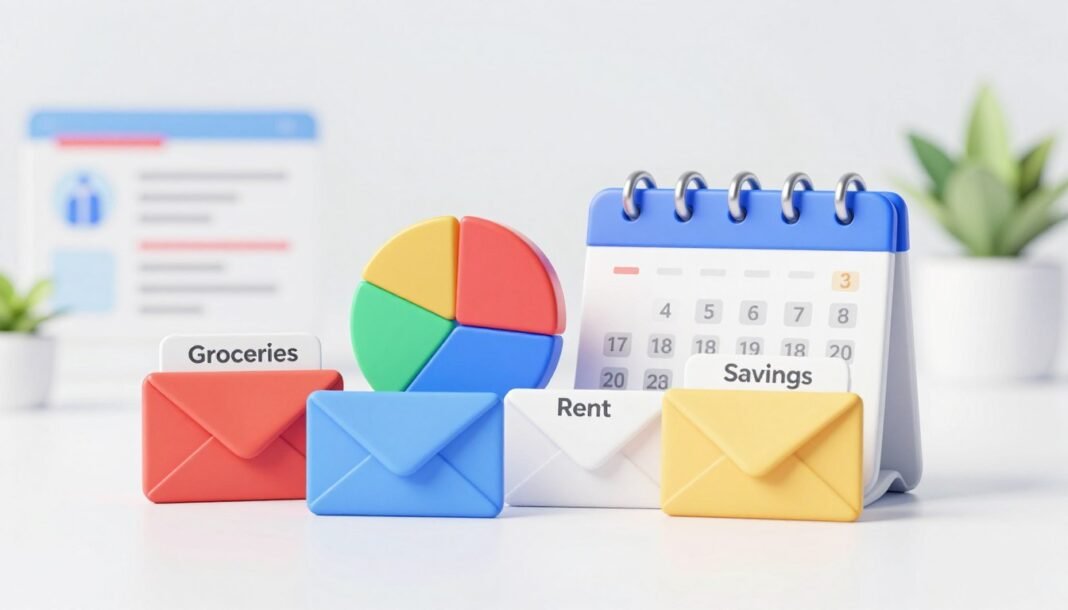
Envelope budgeting, or cash stuffing, is making a comeback. It’s a simple way to manage money by dividing it into categories. You can use cash or digital funds for each category. This method makes it easier to stick to your budget by making spending more real.

Who Should Try the Envelope System
The envelope system is great for those who like a hands-on approach to money. It’s perfect if you find it hard to manage money with credit or debit cards. This method helps you stay on budget.
Setting Up Physical and Digital Envelopes
To start, list your spending categories like groceries and entertainment. Then, put cash in labeled envelopes for each one. For a digital version, use separate bank accounts or budgeting apps.
- Create categories for your expenses.
- Allocate funds to each category.
- Use envelopes or a digital equivalent to track spending.
Strengths and Weaknesses of Envelope Budgeting
Envelope budgeting is simple and effective. But, it has some downsides. You need to carry cash, and it can lead to overspending if not managed well.
Pros:
- Visual and tangible.
- Helps control spending.
Cons:
- Requires cash handling.
- May not be suitable for online transactions.
Values-Based Budgeting Systems: Aligning Money with What Matters
Values-based budgeting means using your money to support what’s most important to you. It makes your financial choices more meaningful and fulfilling.

Who Values-Based Budgeting Works Best For
It’s great for those who feel their money doesn’t match their priorities. If you value experiences over stuff, or giving back, this method helps. It’s also good for those whose life has changed, like having kids or a new job, and need to adjust their money goals.
Creating Your Values-Based Budget
To start, list your core values. Think about what’s most important to you and what you want your money to do. Then, sort your spending into needs, wants, and values.
For example, if education is key, spend more on learning. As “your values are the guiding light for your financial decisions”, making choices becomes simpler.
Benefits and Challenges of Values-Based Budgeting
The main plus is feeling purpose and happiness with your money choices. It makes budgeting less stressful. But, it’s hard to keep up with changing values and priorities.
Financial expert Ramit Sethi said,
“The key is not to prioritize what’s on your schedule, but to schedule your priorities.”
This quote shows the heart of values-based budgeting. It’s about focusing on what really matters to you.
Reverse Budgeting: Cover Essentials, Save, Then Spend
Reverse budgeting is a new way to manage money. It puts your must-haves and savings first. This way, you make sure you have enough for important things and save before you spend on fun stuff. It’s great for those who have trouble saving.
Who Should Consider Reverse Budgeting
Reverse budgeting is good for people who can’t save or plan their spending well. If you always spend on things you don’t need before saving, this method can help. It’s also good for those with unpredictable income, as it makes sure you pay for the basics first.
Setting Up Your Reverse Budget
To start a reverse budget, list your must-haves like rent, utilities, and food. Then, decide how much you want to save. After that, you can spend what’s left on things you want but don’t need.
- List your essential monthly expenses.
- Determine your savings goals for the month.
- Subtract your essential expenses and savings from your total income.
- Allocate the remaining amount for discretionary spending.
Advantages and Disadvantages of Reverse Budgeting
The main plus of reverse budgeting is that it makes sure you save and pay for the basics first. This can make your finances more stable and reduce stress. But, it might not show how much you’re spending on fun things, which could lead to spending too much.
| Advantages | Disadvantages |
|---|---|
| Prioritizes savings and essential expenses | May not track discretionary spending closely |
| Improves financial stability | Could lead to overspending in some categories |
| Reduces financial stress | Requires discipline to stick to the plan |
As financial expert Dave Ramsey once said, “A budget is telling your money where to go instead of wondering where it went.” Reverse budgeting is a practical way to do just that, ensuring your money is allocated towards what’s truly important.

The Two-Account Budgeting System: Simplicity at Its Best
The two-account budgeting system makes managing your money easy. It splits your funds into two accounts. This simplifies your finances and cuts down on stress.
Who the Two-Account System Works For
This method is perfect for those who prefer simple budgeting. It’s great for people who find complex systems hard to follow or have unpredictable income.
Setting Up Your Bills and Spending Accounts
To start, you’ll need two accounts: one for bills and one for spending. Put your income into these accounts based on your needs. For instance, you might put 70% towards bills and 30% for spending.
Key steps to follow:
- Determine your income and fixed expenses.
- Create two separate bank accounts.
- Allocate your income into the respective accounts.
Pros and Cons of the Two-Account Method
The two-account system is easy to use and understand. But, it might not work for everyone, mainly those with complex financial needs.
Pros: It’s simple to set up and manage, which reduces financial stress.
Cons: It’s not ideal for complex financial situations. You need discipline to stick to the set amounts.
As financial expert Ramsey once said,
“A budget is telling your money where to go instead of wondering where it went.”
The two-account system helps you do just that.
Creating a Sustainable Budgeting Routine
Sustainable budgeting is more than just making a budget. It’s about keeping it up over time. To stay financially stable, you need a routine that fits you and stick to it.
Creating a sustainable budgeting routine means regular check-ins and adjustments. This helps you stay on track with your financial goals. You can do this with weekly and monthly reviews.
The 10-Minute Weekly Check-In
A weekly check-in helps you manage your finances. It lets you review your spending and make sure you’re on budget. Spend 10 minutes each week to:
- Review your income and expenses
- Check your progress against your financial goals
- Make any necessary adjustments to your spending
The 30-Minute Monthly Budget Reset
A monthly review lets you dive deeper into your budget. It’s a chance to make big changes if needed. Spend 30 minutes each month to:
- Review your budget categories and adjust as necessary
- Reconcile your accounts and update your budget
- Plan for upcoming expenses and financial obligations
By adding these regular check-ins to your routine, you’ll keep your finances in check. This will help you reach your long-term financial goals.
Managing Irregular Expenses and Sinking Funds
Handling irregular expenses well is key to a good budget. Expenses like car maintenance or annual insurance can mess up your budget if you don’t plan for them.
To manage these costs, it’s important to know what they are. Sinking funds are money set aside for specific, but not regular, expenses. They help you avoid financial surprises.
Essential Sinking Fund Categories
Some important sinking fund categories include:
- Vehicle maintenance and repairs
- Home maintenance and repairs
- Annual insurance premiums
- Property taxes
- Holiday expenses
Knowing your irregular expenses helps you make sinking funds that fit your needs.
Integrating Irregular Expenses Into Your Budget
To add irregular expenses to your budget, list them and their yearly costs. Then, divide the yearly cost by 12 to find the monthly amount. For example, if your car insurance is $1,200 a year, set aside $100 each month.
| Irregular Expense | Annual Cost | Monthly Allocation |
|---|---|---|
| Car Insurance | $1,200 | $100 |
| Home Maintenance | $1,000 | $83.33 |
| Holiday Expenses | $500 | $41.67 |
Starter Budget Category List
Start with these budget categories for your sinking funds:
- Housing
- Transportation
- Insurance
- Healthcare
- Entertainment
As you get better at budgeting, adjust these categories to fit your life better.
How to Choose the Right Budgeting System for Your Situation
First, understand your financial situation. Different financial needs call for different budgeting methods. Think about your income, personal preferences, and financial goals to find the best system for you.
Based on Income Stability
If your income is steady, you might prefer the 50/30/20 rule or zero-based budgeting. These methods help you divide your income into needs, savings, and wants. But, if your income varies, pay-yourself-first or envelope budgeting could be better.
For Those with ADHD or Who Feel Overwhelmed
People with ADHD or who find budgeting hard might like the two-account budgeting system or envelope budgeting. These options are simpler and easier to follow.
Matching Your Budget to Your Financial Goals
Your financial goals are key in picking a budgeting system. Whether you aim to pay off debt or grow your wealth, your budget should support these goals.
Debt Payoff Focus
For debt repayment, consider the debt snowball or debt avalanche methods. These systems focus on paying off debt quickly. Set aside a big part of your budget for debt repayment.
Investment and Wealth Building Focus
If you want to grow your wealth, focus on saving and investing. Allocate a big chunk of your income to retirement accounts or other investments.
Conclusion: The Best Budgeting System Is the One You’ll Actually Use
The best budget is one that fits your life and is used often. With many options out there, pick one you can keep up with. Whether it’s the Two-Account Budgeting System or the 50/30/20 Rule, staying consistent is key.
Know your financial goals and choose a system that matches them. The best budget isn’t about cutting back; it’s about making smart money choices that fit your lifestyle.
Think of your budget as a tool, not a rule. Update it often to keep up with your changing needs. This way, you’ll get closer to financial stability and peace of mind.