

Passive Income Myths vs Reality: What Actually Works (And What’s Just Marketing)
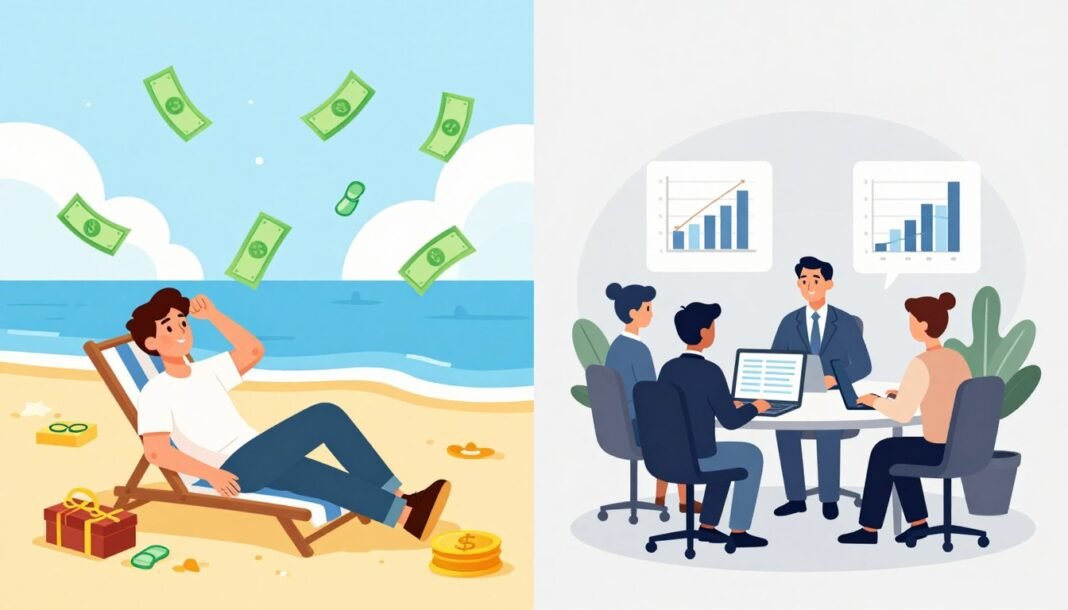
You’ve probably heard about earning money while you sleep. But, the truth about passive income is different from what you’ve been told. Making money without work needs a lot of effort, money, or constant care.

So, what’s real behind the myths? Passive income sounds great, but it’s not a quick way to get rich. It needs smart management and knowing the risks. When you look into passive income, you’ll find some methods work better than others.
Key Takeaways
- You need to put in the work upfront to generate passive income.
- Ongoing maintenance is crucial to sustaining passive income streams.
- Not all passive income strategies are created equal.
- Understanding the risks involved is vital to success.
- A clear understanding of the myths vs reality is essential.
- Competent management is key to generating passive income.
The Truth About Passive Income
Many people don’t get what passive income really is. It’s not just about making money without working. It’s about setting up a system that makes money with little effort from you.
Defining Passive Income Correctly
Passive income means you earn money without working directly. The passive income definition says it’s income from investments or assets that doesn’t need constant work. This means you’ve built a financial system that makes money even when you’re not working.
Income Not Tied to Active Hours
Passive income isn’t based on how many hours you work. For example, if you invest in dividend-paying stocks, you get a share of the company’s profits regularly. This happens whether you’re working or not.
The Upfront Work Reality
Even though passive income isn’t tied to work hours, it does need a lot of upfront work. You might spend time and money setting up the asset, like creating a digital product or investing in real estate. You also need to keep it going to keep the income coming.

Knowing the passive income framework is key to success. It’s about making a system that works with little help from you. By understanding the need for upfront work and ongoing care, you can make smart choices for your financial future.
Passive Income Myths That Keep You Stuck
The path to passive income is filled with myths that can stop you. These false beliefs can lead to high hopes and then, letdowns.
“No Work Required” Fallacy
Many believe that absolutely no work is needed for passive income. But, while it’s less work than a 9-to-5, some effort is still needed.
- Setting it up takes a lot of time and effort.
- Keeping it going means staying up to date with market changes.
“Instant Results” Deception
Another myth is that passive income comes right away. But, building a strong passive income takes time, sometimes years.

“Set and Forget” Fantasy
The idea that you can just set and forget your investments is wrong. Markets change, and what works today might not tomorrow.
- You need to keep an eye on it.
- You might need to make changes to keep it profitable.
“One System Forever” Myth
Thinking one passive income method will last forever is a myth. Diversifying is the key to lasting success.
“Guaranteed Returns” Illusion
No investment is guaranteed. Every investment has some risk. It’s important to know this before you invest.
“Zero Customer Support” Misconception
For many passive income sources, like digital products or membership sites, some customer support is needed.
By knowing and avoiding these myths, you can make a better passive income plan.
The Reality Behind Passive Income
To truly understand passive income, you must look beyond the myths and examine the reality. The truth is that creating a successful passive income stream requires ongoing effort and attention to detail.
Ongoing Maintenance Requirements
One of the most significant realities of passive income is the need for ongoing maintenance. This includes:
- Technical Updates: Regularly updating software, plugins, and other technical components to ensure they remain compatible and secure.
- Content Refreshes: Periodically refreshing content to keep it relevant and attractive to your audience.
For instance, a popular blog might need to update its content regularly to maintain search engine rankings and keep readers engaged.
Platform and Algorithm Risk
Another critical aspect to consider is the risk associated with platform and algorithm changes. For example:
- Social media platforms frequently update their algorithms, affecting how your content is displayed and seen by your audience.
- Search engines like Google regularly update their algorithms, which can impact your website’s visibility and traffic.
Diversification Strategies
To mitigate these risks, it’s essential to diversify your income streams across multiple platforms and channels. This can help protect your income from sudden changes in any one platform.
Seasonality and Market Fluctuations
Passive income is also subject to seasonality and market fluctuations. For example, a product or service related to a specific holiday or season may experience fluctuations in demand.
As Warren Buffett once said, “Price is what you pay. Value is what you get.” Understanding the value your passive income stream provides can help you weather market fluctuations.
Reinvestment Necessity
Reinvesting a portion of your passive income is often necessary to maintain and grow your income stream. This could involve reinvesting in marketing, updating your products or services, or expanding your offerings.
Distribution and Marketing Demands
Finally, even after setting up a passive income stream, there are ongoing demands related to distribution and marketing. This might include managing distribution channels, marketing your products or services, and engaging with your audience.

In conclusion, while passive income can provide financial freedom, it’s crucial to understand the realities behind it. By acknowledging the need for ongoing maintenance, mitigating platform and algorithm risks, and adapting to seasonality and market fluctuations, you can build a more sustainable passive income stream.
The Semi-Passive Income Spectrum: Investment Models
Investment models offer many ways to earn semi-passive income. You can build a strong income by trying different strategies. These should match your financial goals and how much risk you’re willing to take.
Index Investing and Dividend Strategies
Index investing and dividend strategies are great for earning semi-passive income. They involve investing in a mix of stocks or bonds. By following a specific market index, like the S&P 500, you get broad market exposure. This can also mean lower fees than active funds.
Total Return vs. Dividend Focus
When choosing index funds or dividend stocks, you must decide between total return and dividend focus. A total return strategy aims to grow your money through both capital gains and dividends. On the other hand, a dividend-focused strategy focuses on regular income from dividends.
Total Return Strategy: This approach offers the chance for long-term growth and income.
Dividend-Focused Strategy: It provides steady income from dividends, appealing to those seeking regular income.
Capital Requirements
The amount of money needed to start investing in index funds or dividend stocks varies. You can start with a small amount, but having a long-term view and a plan for regular investments is key.
Bonds and Interest-Bearing Accounts
Bonds and interest-bearing accounts are also good for semi-passive income. Government and corporate bonds offer a fixed income. High-yield savings accounts and CDs provide liquidity and low risk, making them good for short-term savings or emergencies.
Bond Income: Bonds give you regular interest payments, providing a predictable income.
Interest-Bearing Accounts: High-yield savings accounts and CDs are liquid and low-risk. They’re great for short-term savings or emergency funds.
REITs and Fractional Real Estate
Real Estate Investment Trusts (REITs) and fractional real estate investing let you invest in real estate without managing properties. REITs offer a diversified portfolio of properties. Fractional real estate investing lets you own a part of a property.
REIT Dividends: REITs provide regular income through rental income and property appreciation.
Fractional Real Estate: It offers the chance for long-term growth and rental income. It requires less capital than owning a whole property.

Digital Asset Income Streams
Digital assets open up new ways to earn money without much effort. They change how we make money, offering chances we never thought possible.
Digital Products and Courses
Creating digital products or courses is a great way to make money passively. Once made, you can sell them many times with little extra work.
Creation vs. Maintenance Time
Creating something takes a lot of time at first. But, if it stays relevant, you won’t need to work on it much later.
Evergreen vs. Updated Content
Evergreen content stays useful for a long time. Updated content needs regular changes to stay fresh. Your choice depends on your audience and what they need.
| Content Type | Creation Time | Maintenance Time |
|---|---|---|
| Evergreen | High | Low |
| Updated | High | Medium to High |
Membership and Subscription Models
Membership and subscription models give you a steady income. They offer special content or services to members.
Retention Challenges
Keeping members is hard. You need to keep giving them value and update your content regularly.
Affiliate Marketing with Content Assets
Affiliate marketing means promoting products and earning a commission on sales. You use a special link for each product.
Email List Building
Building an email list is key for affiliate marketing. It lets you send product offers directly to your audience.
SEO Considerations
SEO is important to get more people to see your content. This helps you make more money from affiliate marketing.

Licensing and Royalty Arrangements
Licensing your digital assets can bring in passive income through royalties.
Intellectual Property Protection
It’s crucial to protect your intellectual property when licensing. This ensures you get fair pay for your work.
In conclusion, digital assets offer many ways to earn money without much effort. Knowing the different models and their challenges helps you choose the best path.
Physical Asset Income Approaches
The world of physical asset investing, especially in rental properties and short-term rentals, is often misunderstood. It holds both promise and pitfalls.
Rental Property Realities
Investing in rental properties can be profitable. But, it requires careful thought about several factors. You must be ready to handle tenant management and maintenance costs.
Tenant Management
Effective tenant management means screening potential renters and handling lease agreements. You also need to address any issues that come up during tenancy. It’s key to keep communication open to keep the relationship positive.
Maintenance Costs
Regular maintenance is key to keeping the property’s value up and tenants happy. You should set aside money for repairs, renovations, and other unexpected costs.
Short-Term Rentals: Expectations vs. Reality
Short-term rentals, like those on Airbnb, can offer higher returns than long-term rentals. But, they also come with their own set of challenges.
Seasonality Challenges
Short-term rental income can change with the seasons. Occupancy rates can go up and down. You need to plan for these changes to keep your cash flow steady.
Operational Requirements
Managing short-term rentals takes a lot of time and effort. You’ll need to handle bookings, cleaning, and guest services. You might need to use property management software or hire a manager to help.
To succeed in physical asset income approaches, you must know the realities and challenges. Understanding the details of rental property management and short-term rentals helps you make better decisions. This way, you can increase your returns.

- Carefully consider the responsibilities involved in rental property management.
- Plan for seasonal fluctuations in short-term rental income.
- Invest in property management tools or services to streamline operations.
Systems-Based Income Strategies
Creating a steady income with little effort is key. By setting up strong systems, you can earn money even when you’re not working. This way, your income keeps flowing without much work from you.
Productized Services with Teams
Productizing services means offering a set product that a team can deliver. This lets you grow your income without doing every task yourself. It’s important to hire and train well to ensure your team does great work.
Hiring and Training
To have a good team, you must hire the right people. Look for those with the right skills and attitude. Also, train them well so they can do their jobs well.
Quality Control Systems
Keeping your services up to standard is crucial. You need to set clear goals, check how your team is doing, and adjust as needed. This keeps your quality high and consistent.

Automated Sales Funnels
Automated sales funnels are a great way to make money with little effort. They guide customers through the buying process on their own. This means you don’t have to do much to make sales.
Setup Complexity
Setting up automated sales funnels can be hard. You need to plan well and use the right tools. This makes sure your funnel works well and turns leads into customers.
Ongoing Optimization
After your funnel is up, you must keep improving it. Look at data, find problems, and fix them. This makes your funnel better and more effective over time.
Delegation and Standard Operating Procedures
Delegating tasks and using SOPs are key to success. By documenting your work and giving tasks to others, you can focus on growing your business. This makes your income grow without you doing all the work.
Documentation Requirements
Writing detailed SOPs is important. It makes sure tasks are done right, even when you’re not around. This keeps your business running smoothly.
By using these strategies, you can build a strong, growing income stream. It will keep making money for you, even when you’re not working.
The Passive Income Scoring Rubric
To evaluate different passive income streams, a scoring system is key. This rubric helps you judge various opportunities. It looks at factors that show their potential and how easy they are to start.
Setup Time Investment (0-10 Scale)
The time needed to start a passive income stream varies a lot. Think about how much time and effort you want to put in at the beginning. A higher score means you’ll spend less time setting it up.
Capital Requirements (0-10 Scale)
Passive income streams need different amounts of money to start. Look at how much money you need and score it. A higher score means you need less money.
Volatility and Risk Factors (0-10 Scale)
It’s important to check how stable and risky a passive income stream is. Think about market changes, legal risks, and other factors. A higher score means it’s more stable and less risky.
Maintenance Demands (0-10 Scale)
Keeping a passive income stream going needs ongoing work. Look at how much work it needs and score it. A higher score means it needs less work.
Control and Ownership (0-10 Scale)
How much control and ownership you have over your passive income is key. Assess how much control you have and score it. A higher score means you have more control and ownership.
Using this scoring rubric helps you choose the right passive income streams. It’s based on your financial goals and how much risk you’re willing to take.
Conclusion: Your 90-Day Plan for Building Semi-Passive Income
To start building your semi-passive income, you need a clear plan. A 90-day passive income plan can help you get started. Begin by identifying a realistic side hustle that aligns with your skills and resources. Use a passive income tracker to monitor your progress, tracking both time and money invested.
To build your first income stream, focus on a single strategy. This could be creating digital products or investing in index funds. Set specific, measurable goals for the next 90 days. Break down larger tasks into smaller, manageable steps.
As you work through your 90-day plan, regularly review your progress. Adjust your strategy as needed to stay on track. By following this structured approach, you can make steady progress toward building a sustainable semi-passive income stream.